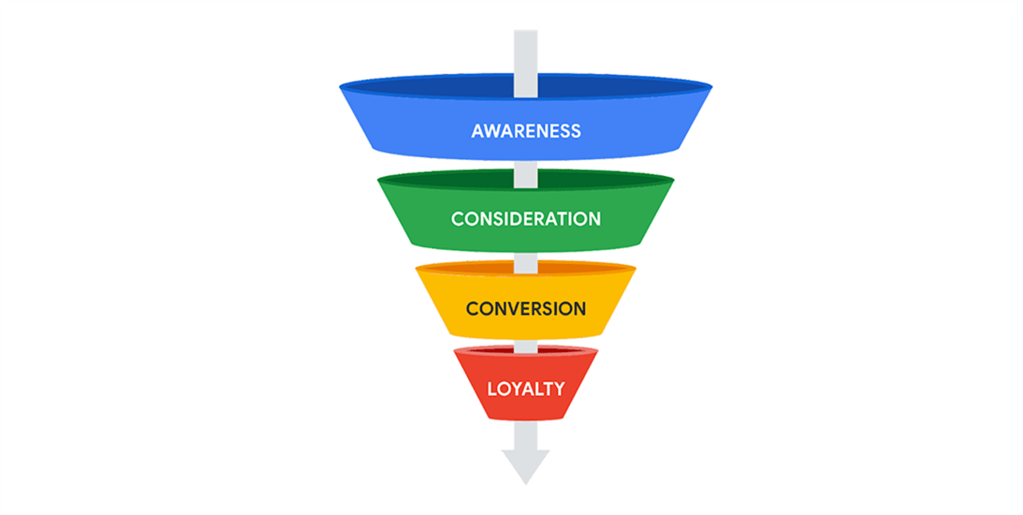
In the relentless, results-driven world of digital marketing, PPC (Pay-Per-Click) advertising is often viewed solely as a conversion tool, laser-focused on the bottom of the marketing funnel.
But what if this approach is selling PPC short?
Limiting PPC to just closing the deal overlooks its potential to play a pivotal role in building awareness, capturing attention, and shaping perceptions from the first interaction.
Let’s explore how expanding PPC’s reach beyond conversions can unlock untapped value and position your brand for sustained, long-term impact.
The Traditional PPC Mindset: All About Conversions
For years, businesses have approached PPC with a singular focus: converting ready-to-buy customers.
According to WordStream, the average conversion rate for Google Ads across all industries is 3.75% on the search network.
But here’s the reality – what about the other 96.25% of your audience who may not be ready to buy yet?
Rethinking Awareness in the Digital Age
Awareness isn’t just about getting your brand name out there.
In today’s context, it’s about being present when potential customers are just beginning to realise they have a problem – before they even know your solution exists.
Think about it: when was the last time you immediately knew the exact product you needed to solve a problem?
More likely, you started with searches like “how to…” or “why does…”
The Evolving Search Landscape
The way people search is changing dramatically.
According to GWI’s latest research, while Google remains significant, approximately 45% of Gen Z now turns to TikTok and Instagram for brand discovery, reflecting a growing trend towards social media as a primary search engine.
This shift in behaviour demands a more nuanced approach to reaching potential customers.
Practical PPC Strategies for Building Awareness
Let’s look at how different businesses can leverage PPC for awareness:
For B2B Software Companies
- Target problem-state keywords
- “team communication challenges”
- “project deadline issues”
- “remote collaboration problems”
- Create educational content campaigns
- Whitepaper downloads
- Industry research reports
- Expert webinars
For Health & Wellness Brands
- Focus on symptom-based searches
- “why am I always tired”
- “natural ways to reduce stress”
- “healthy sleep habits”
- Develop informational video campaigns
- Educational content on YouTube
- Expert interviews
- How-to guides
Making Your Awareness Campaigns Work Harder
- Broaden Your Keyword Strategy
- Use broad match modifiers to capture various problem statements
- Focus on informational intent keywords
- Target industry-specific pain points
- Craft Educational Ad Copy
- Address problems, not products
- Focus on value proposition
- Use question-based headlines
- Leverage Multiple Channels
- Google Search for problem-solving queries
- YouTube for educational content
- Display network for brand presence
- Measure Beyond Conversions
- Track brand lift metrics
- Monitor engagement rates
- Analyze new user sessions
The Numbers Don’t Lie
According to Google’s research, brands that invest in upper-funnel marketing can enhance their overall marketing effectiveness, leading to improved lower-funnel conversion rates.
Furthermore, companies implementing full-funnel strategies report up to a 45% higher return on ad spend (ROAS) compared to those focusing solely on bottom-funnel tactics.
But What About the Cost?
You might be thinking, ‘Isn’t awareness marketing expensive?’
Here’s the reality: while CPCs for competitive bottom-funnel keywords can indeed reach $50 or more in some industries, awareness-stage keywords often cost significantly less.
According to SEMrush, informational keywords typically cost 30-50% less than transactional ones, reflecting their lower competition and intent.
Key Takeaways: The Power of Balance
Building awareness through PPC isn’t about abandoning conversion-focused campaigns – it’s about creating a balanced strategy that nurtures potential customers throughout their journey.
By being present at the moment of problem recognition, you’re not just building awareness; you’re establishing trust and authority that will pay dividends when it’s time for that conversion-focused campaign to kick in.
Remember, today’s awareness-stage user is tomorrow’s loyal, high-value customer.
The question isn’t whether you should use PPC for awareness – it’s whether you can afford not to.
Are you ready to transform your PPC strategy into a full-funnel powerhouse?
Now’s the moment. Step up, seize it, and set the standard for success.
 andrewkklee.com
Leave a comment