
Photo credit: Rodion Kutsaiev
Picture this: a world where your business doesn’t just keep pace but surges ahead in the whirlwind of the digital age.
In the relentless quest in marketing for that competitive edge and profound customer engagement, there’s one name that’s rewriting the playbook: Artificial Intelligence (AI).
It’s not just a game-changer; it’s a game-evolver.
Let’s explore into the transformative realm of AI in marketing, unravelling three pivotal applications – image classification, object recognition, and text analysis.
1. Image Classification: Unleashing the Power of Visual Content
Visual content is a vital component of modern marketing strategies.
Whether it’s a social media post, an advertisement, or a product listing, the impact of images on consumer perception cannot be understated.
This is where image classification powered by AI comes into play.
AI-driven image classification uses deep learning algorithms to analyse and categorise images. This technology can identify and tag objects, scenes, and even emotions in images with remarkable accuracy.
For businesses, this means the ability to curate and deliver highly targeted content to their audience. This not only enhances user experience but also optimises ad spend by showing the right content to the right people.
Did you know? A study by HubSpot found that social media posts with images receive 150% more retweets than those without.
2. Object Recognition: Revolutionising Product Discover
Customers today can simply take a photo of an object from their smartphones they like and instantly find similar products available for purchase.
AI-driven object recognition from mobile apps, like Google Lens, has made searching for products easier and quicker for consumers.
Object recognition technology allows consumers to interact with their environment in novel ways.
For instance, a shopper can snap a picture of a pair of shoes they admire on the street, and using object recognition, they can discover similar products in online stores.
This not only streamlines the buying process but also offers businesses a powerful tool for product recommendation and advertising.
Did you know? According to Adobe, 38% of online shoppers want the ability to take a photo of something they like and find it online.
3. Text Recognition and Analysis: Extracting Insights from Text Data
Text data, in the form of customer reviews, comments, and product descriptions, is a goldmine of information for businesses. However, manually analysing and making sense of this data can be overwhelming.
This is where text recognition and analysis driven by AI come in handy.
AI can process and extract meaningful insights from vast amounts of textual data.
Sentiment analysis, for example, helps businesses understand customer opinions and tailor their marketing strategies accordingly.
Additionally, AI can detect patterns and trends in text data that might not be apparent to human analysts.
Did you know? According to Forbes, companies that use AI for natural language processing in customer service see a 30% increase in efficiency.
The Future of AI in Marketing
As technology continues to advance, AI’s role in marketing will only become more integral.
Innovations in image classification, object recognition, and text analysis are foundational for application of AI in marketing that can be really beneficial to businesses and customers.
Today, personalised marketing campaigns has become the norm through digital marketing.
Picture marketing campaigns that don’t just target customers but truly connect with them on a profound emotional level.
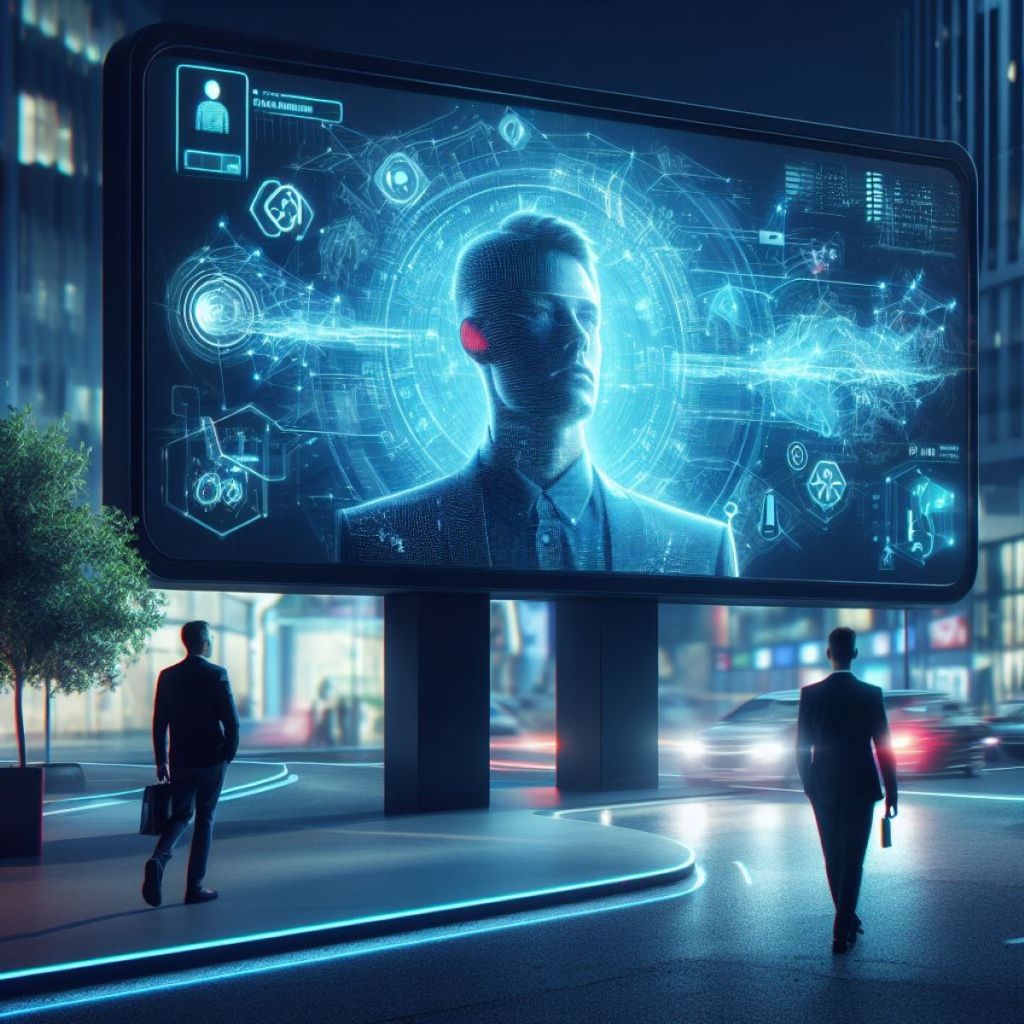
Envision smart billboards that possess the extraordinary ability to perceive and respond to the unspoken emotions of passersby, even in the bustling world of outdoor advertising, where consumers might be momentarily disengaged from their smartphones.
The future of marketing is poised to be an immersive, emotional journey.
While these applications open the door to a world of thrilling possibilities, they simultaneously beckon forth a critical conundrum, one that hinges on the pillars of data privacy, ethics, and regulation.
Striking the right balance between personalised marketing and consumer data protection will be a key challenge for the industry in the present time.
Mastering this delicate balance enables businesses to not just stay ahead but to sprint ahead in the competitive race, leaving those without AI technology in the dust.
Here’s the crux of marketing in the digital age.
AI is transforming the marketing landscape by offering powerful tools for image classification, object recognition, and text analysis.
These applications not only enhance customer experiences but also help businesses make data-driven decisions.
As AI technology continues its relentless march forward, the horizon of marketing expands into an infinite realm of boundless opportunities, limited only by the extent of our imagination and innovation.
 andrewkklee.com
Leave a comment