
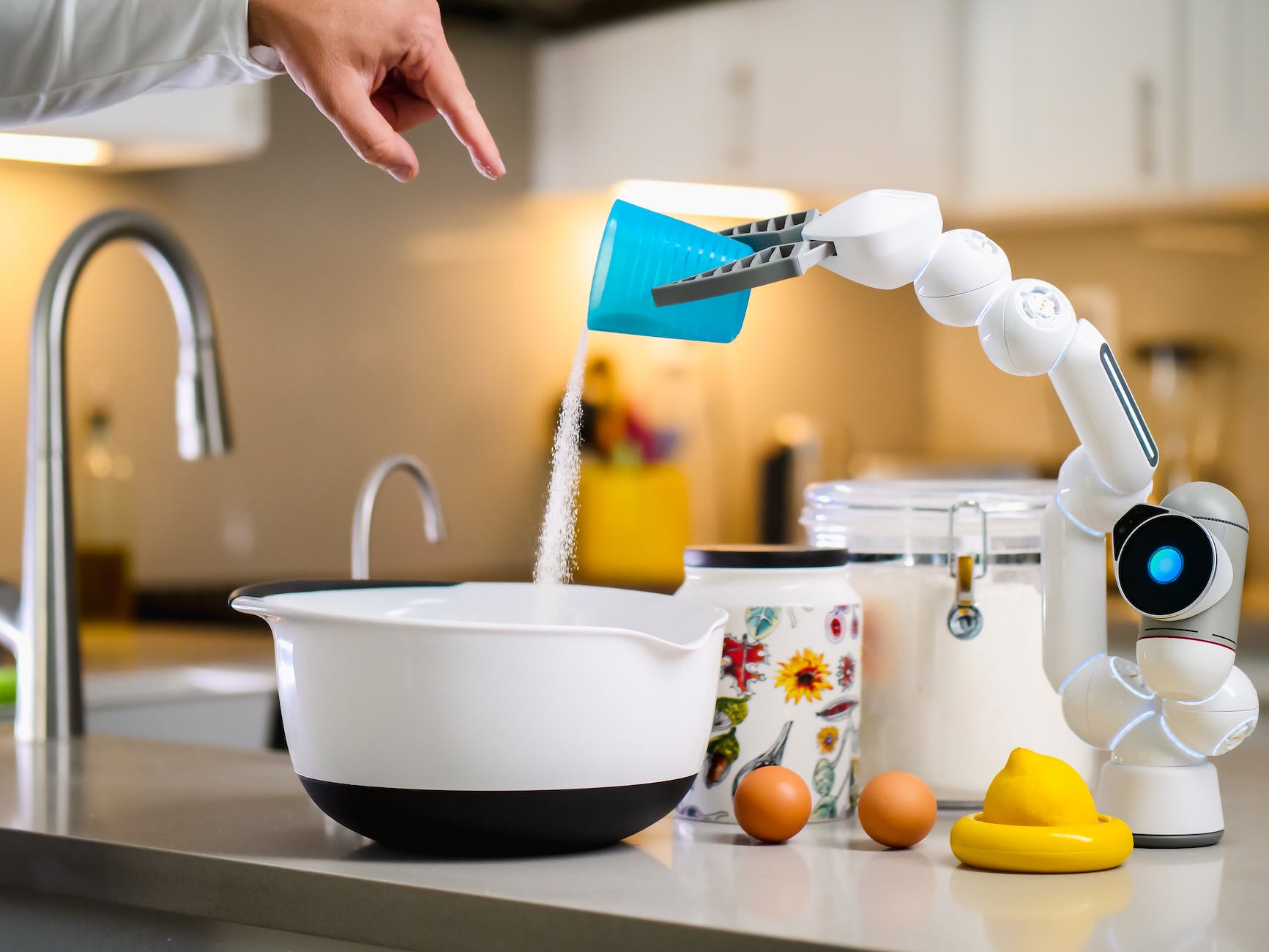
In the fast-evolving landscape of artificial intelligence (AI), where algorithms are shaping industries and transforming tasks, there remains a profound sentiment: the brilliance of human intelligence and creativity.
A groundbreaking series of studies led by Wharton Professor Stefano Puntoni, has shed light on a fascinating revelation – while AI dazzles with its capabilities, consumers still hold a deep-seated preference for products and services that bear the mark of human craftsmanship.
Here are some fascinating insights that redefine the very essence of value, and unveil the domains where human ingenuity and creativity can co-exist with automation.
The Resonance of Symbolism
The symphony of human emotions and symbolism is a complex tune that resonates through the choices we make.
In the realm of products and services, this resonance becomes particularly pronounced. Professor Puntoni’s research is as enlightening as it is surprising.
While consumers are remarkably accepting of AI’s role in fabricating functional items, the preferences swiftly sway when it comes to symbolic products and services.
Picture a pair of eyeglasses.
The lenses, with their precision and accuracy, are prime examples of AI’s prowess. However, it’s the frames that hold the power to capture the uniqueness and style of everyone wearing them.
In this blend of functionality and sentiment, the human touch shines resplendently.
Beyond the Lens: A World of Human Craftsmanship
As we venture beyond eyeglass frames, we unearth a tapestry of industries where the human intelligence and creativity remains indispensable.
Here are some domains already in the present day asserting the synergistic co-existence between human intelligence and creativity with automation.
1. Fashion & Apparel: Where Identity Meets Imagination
In the world of fashion, garments are more than just fabric sewn together. They are reflections of culture, personality, and self-expression.
From couture gowns to bespoke suits, the hands of skilled artisans bring designs to life with an attention to detail that AI struggles to replicate.
The artistry woven into each stitch is a testament to the symbiosis of creativity and human touch.
2. Culinary Arts: Where Palates Crave Passion
Imagine a dining experience solely crafted by AI – it might be technically precise, but the soulful essence would be missing.
AI algorithms may delve into flavour combination and recipe concepts, yet it’s the master chefs who infuse each dish with emotion, cultural depth, and a touch of their unique culinary philosophy.
The culinary arts thrive on the passion and intuition of chefs who infuse their creations with a dash of their spirit.
From a meticulously plated gourmet dish to a comforting family recipe, these edible artworks carry a legacy that transcends mere sustenance that only human intuition can conjure.
3. Musical Enchantment: The Notes of Collaboration
The world of music, a realm of emotive melodies and soulful compositions, is not untouched by the embrace of AI and human creativity.
AI algorithms analyse patterns and styles to generate music pieces, yet the essence of a composition lies in the hands of human composers and talented musicians.
While AI can provide a foundation, it’s the artists who breathe life into the notes, infusing music with emotion, cultural resonance, and personal narratives.
The collaboration between AI’s analytical prowess and human creativity has birthed a new era where innovation and expression harmonise in mesmerising ways.
4. Fine Arts: Where Inspiration Ignites
A canvas holds more than paint; it holds emotions, stories, and perspectives.
AI tools can birth stunning visual arts and replicate artistic styles.
The essence of fine masterpieces remains in the artist’s interpretation and intention of realistic depictions, abstract or conceptual art pieces that the spark of inspiration remains uniquely human.
The brushstrokes of a painting, the chisel marks on a sculpture – they embody the artist’s journey and captivate audiences with a connection that AI-generated art struggles to forge.
Humans tend to appreciate art based on emotional and subjective experiences, while machine learning algorithms analyse art based on technical features and patterns.

5. Handcrafted Furniture: Where Functionality Meets Elegance
Furniture, an embodiment of utility and aesthetics. Handcrafted furniture has a rich history of marrying functionality with elegance, each piece a testament to artisan skill.
While AI may not replace this craftsmanship, it can undoubtedly enhance the process.
Designers could harness AI-powered software for inspiration and innovative designs, while in production, AI-guided CNC machines could ensure precision, and visual inspection systems could guarantee flawless end products.
AI’s influence extends to personalization and sustainability allowing artisans to create bespoke pieces. Additionally, AI could predict demand and optimize inventory management, reducing waste.
In terms of sustainability, AI’s insights could lead to the use of eco-friendly materials and resource-efficient practices, aligning the handcrafted furniture industry with sustainable values.
6. Precision on Wheels: The Automotive Aesthetics
The automotive industry involves a significant interaction between human intelligence and AI and technology.
While machines and algorithms can automate certain tasks and improve efficiency, they still require human oversight and decision-making in areas such as design, engineering, and quality control.
Engineers and designers use human intelligence to conceptualize vehicle designs, but AI plays a significant role in simulations, virtual testing, and optimization. AI algorithms help improve aerodynamics, safety features, and overall performance.
AI is at the heart of autonomous vehicles.
Human expertise is essential for creating algorithms that enable self-driving cars to make complex decisions, navigate diverse environments, and respond to unexpected situations.
Advanced driver assistance systems (ADAS) utilise a combination of human input and AI to enhance safety.
For instance, features like adaptive cruise control, lane-keeping assistance, and automatic emergency braking rely on AI to interpret data from sensors and cameras.
AI helps identify emerging market trends and consumer preferences, allowing manufacturers to adapt their products. Human intelligence is essential for strategic decision-making based on AI insights.
The automotive industry is a prime example of how human intelligence, AI, and technology intersect and complement each other that has birthed vehicles that resonate beyond their utility.
7. E-Hailing Industry: Pioneering Seamless Transportation
The e-hailing industry has revolutionised urban mobility, bridging the gap between human-driven convenience and technology-enabled efficiency.
AI algorithms optimise routes, minimise wait times, and maximise intuitive app user experience on the e-hailing platform.
However, it’s the human drivers who create the personal touch, customer service delivery, physical safe ride, no more parking nightmare, and a genuine human connection that makes every ride hassle-free.
8. Rise of EV Mobility: Driving Sustainable Futures
As the world embraces sustainable solutions, the rise of Electric Vehicles (EVs) represents a transformative shift.
Human intelligence is crucial in designing, engineering, and developing new EV technologies. Engineers and researchers use their expertise to innovate battery management and technology to optimise safety and longevity, electric drivetrains, charging infrastructure, and accelerating the R&D process.
Human experts programme, monitor, and maintain EV manufacturing process that integrates advanced robotics and automation driven by AI algorithms, ensuring efficient and precise EV manufacturing production.
Human-centered design principles drive the creation of user interfaces and experiences in EVs. AI assists in personalising settings, infotainment, and navigation based on individual driver preferences and real-time data.
Human expertise drives innovation, design, and decision-making, while AI accelerates processes, optimises performance, and enhances user experiences.
The collaboration between these elements is essential for the continued advancement of the EV sector.
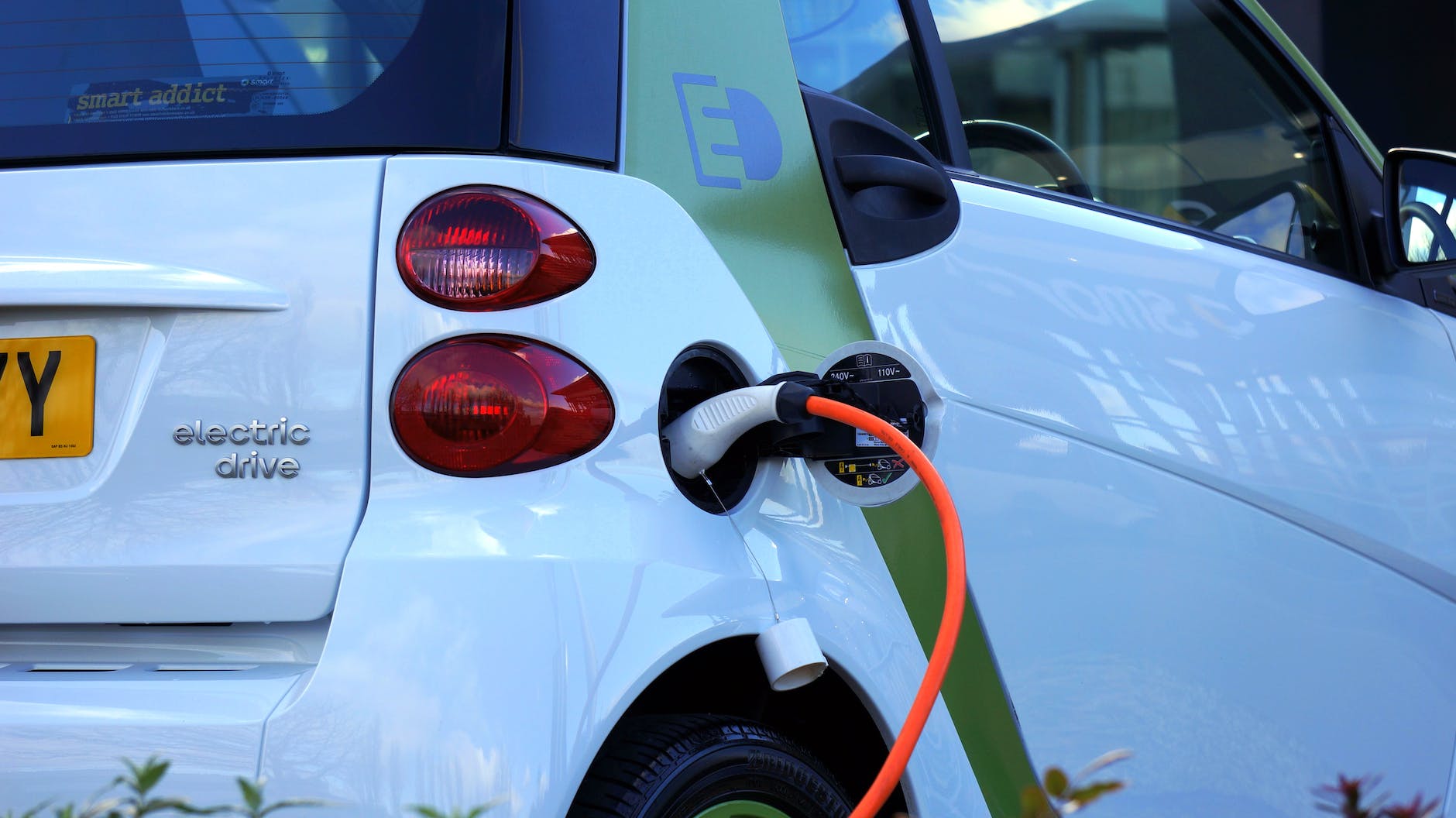
9. E-Charging for EVs: Charging Convenience Redefined
EV charging involves a significant interplay between human intelligence and AI and technology.
While the technology handles the charging process, human intelligence is required for the management and maintenance of the charging infrastructure, as well as for developing new and innovative ways to improve the charging experience.
Human intelligence is crucial in planning and deploying EV charging infrastructure. Engineers and urban planners analyse data, traffic patterns, and energy supply to strategically place charging stations.
AI can assist by predicting demand, suggesting optimal locations, and optimising charging rates based on usage patterns across geographical locations.
User interfaces of charging stations and mobile apps often rely on both AI and human-centered design principles.
AI helps personalise charging recommendations based on user preferences and historical usage. User feedback and design expertise contribute to creating intuitive interfaces.
Yet, the adaptation of human intelligence and intuition with automation can ensure stations are clean, functional, and ready to facilitate smooth user charging experiences.
10. Food Delivery Services: Culinary Delights at Your Doorstep
The intricate convergence of AI and food service businesses has transformed every step of the process in modern food delivery services – from online ordering, preparation, and delivery.
Food delivery services utilise AI and technology to create user-friendly platforms and mobile apps that enable customers to browse menus, place orders, and make payments seamlessly.
These platforms also use data-driven insights to personalise recommendations and promotions based on user preferences and ordering behaviour.
Restaurants collaborating with food delivery services can use AI to optimize their menus. Analysing data on customer preferences can help them adjust their offerings to better suit customer demand.
Food services and restaurant managers can integrate decisions to optimise the entire supply chain by modeling ordering patterns with delivery platforms to help manage inventory levels by predicting ingredient usage, reducing waste, and ensuring that popular items are always available.
The fusion of technology and human expertise ensures your favourite dishes arrive hot and fresh, enhance customer experience, streamline operations, and contribute to the growth of the food delivery industry.
11. Fintech Innovation: Transforming Financial Experiences
Fintech has reshaped financial landscapes, empowering users with intuitive apps, online banking, and personalized investment strategies.
Managers provided with business-intelligence tools are capable to leverage on advanced analytics from experience and high-level pattern recognition to project the past into the future to help in decision-making.
AI-driven algorithms analyse market trends, while human financial advisors provide insightful reports for their clients tailored to individual goals.
This collaboration between human intelligence and technology offers holistic financial empowerment.
Ultimate Question: Can AI Replace Human Intelligence and Creativity?
While AI can perform specific tasks with remarkable precision, it cannot fully replicate human intelligence and creativity.
AI lacks consciousness and emotions, limiting its ability to understand complex human experiences and produce truly creative works.
As a matter of fact.
Human intelligence comprises of complex biological structures and processes within the human brain with inherent cognitive abilities, perception, reasoning, intuition, problem-solving, learning, and emotional understanding.
Humans can interpret non-verbal cues.
AI is a product of human engineering and programming, involving the creation of algorithms, data processing, and machine learning techniques.
It is designed to mimic human-like cognitive processes.
Rather than supplanting one another, the research by Professor Stefano Puntoni suggest they can elevate each other’s strengths.
AI can excel in precision and efficiency, while human intelligence can infuse creations with soul and sentiment. This symbiotic relationship promises a world where the best of both worlds converges to redefine innovation.
Here’s the takeaway.
The research by Professor Puntoni beckons us to envision a future where AI and human intelligence and creativity can harmoniously co-exist, embracing a future of symbiosis.
The common thread in the abovementioned showcased diverse sectors in harmonious blend of AI’s precision and technology’s efficiency with the authentic human intelligence and innate natural creativity.
As AI expands its reach, it doesn’t overshadow the relevance of the human equation; rather, it amplifies it. The result is a seamless integration that enhances convenience, sustainability, and personalisation.
It’s not merely the tangible end products that draw consumers; it’s the intangible connection, the narrative woven into each creation, and the authenticity that can’t be algorithmically replicated.
 andrewkklee.com
Leave a comment